About
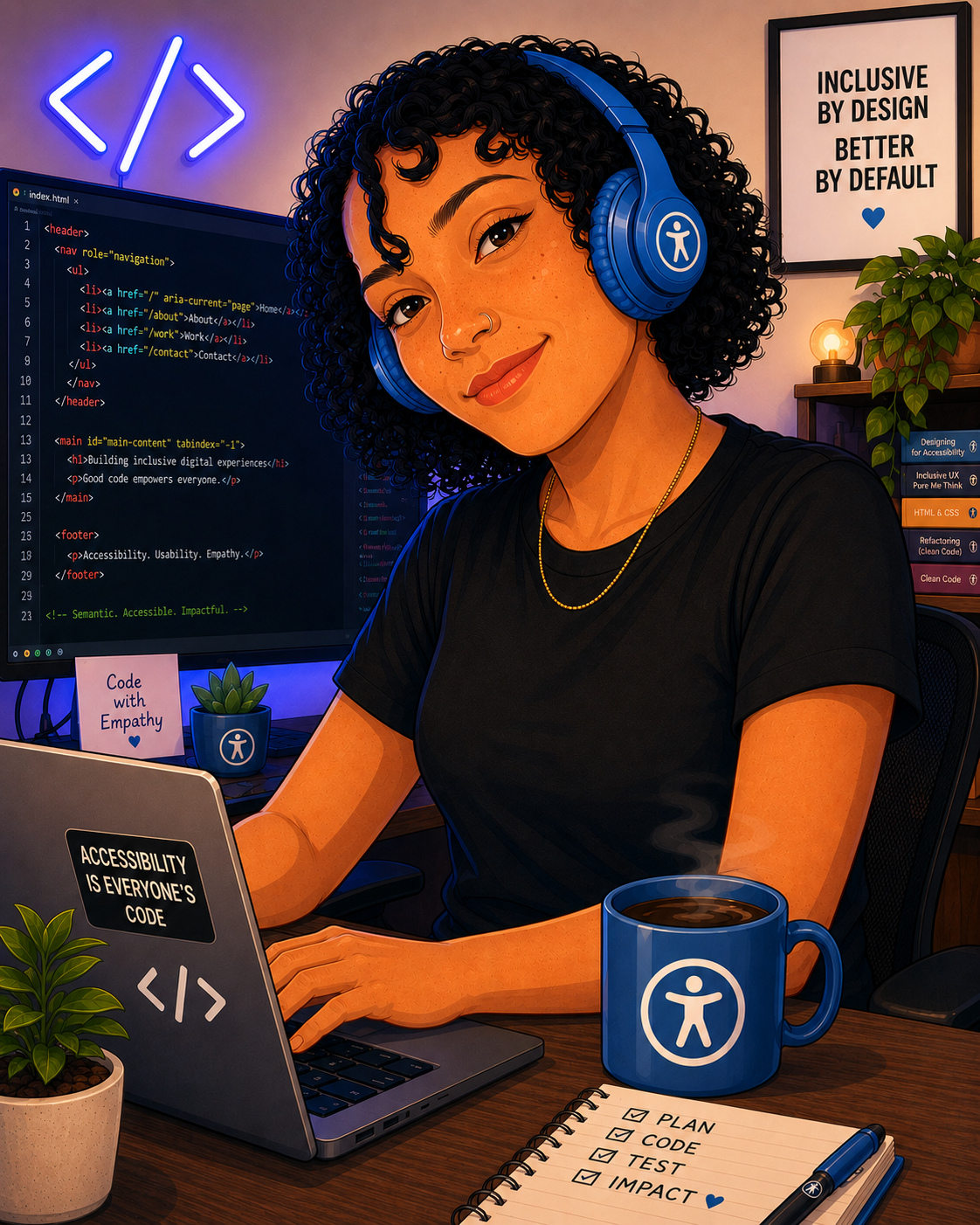
Exploring accessible frontend development
Hi, I’m Ariel — yes, like the little mermaid — and I’m a Front-End Engineer with 10+ years of experience building modern, user-focused web experiences. I’ve worked across a variety of frameworks and technologies over the years, from early Angular to Vue.js, and now primarily React and Next.js applications alongside Back-End teams. I’m passionate about creating polished, accessible, and engaging interfaces through thoughtful UX, subtle animations, and responsive design. That passion led me to create Accessible Ariel, where I share accessible component tutorials, WCAG guidance, and real-world front-end solutions while continuing to learn and grow as a developer. Outside of coding, I enjoy working out, basketball, tacos, pizza, and trying not to ruin my fantasy football season.
Projects
- All
- Websites
- Highlight
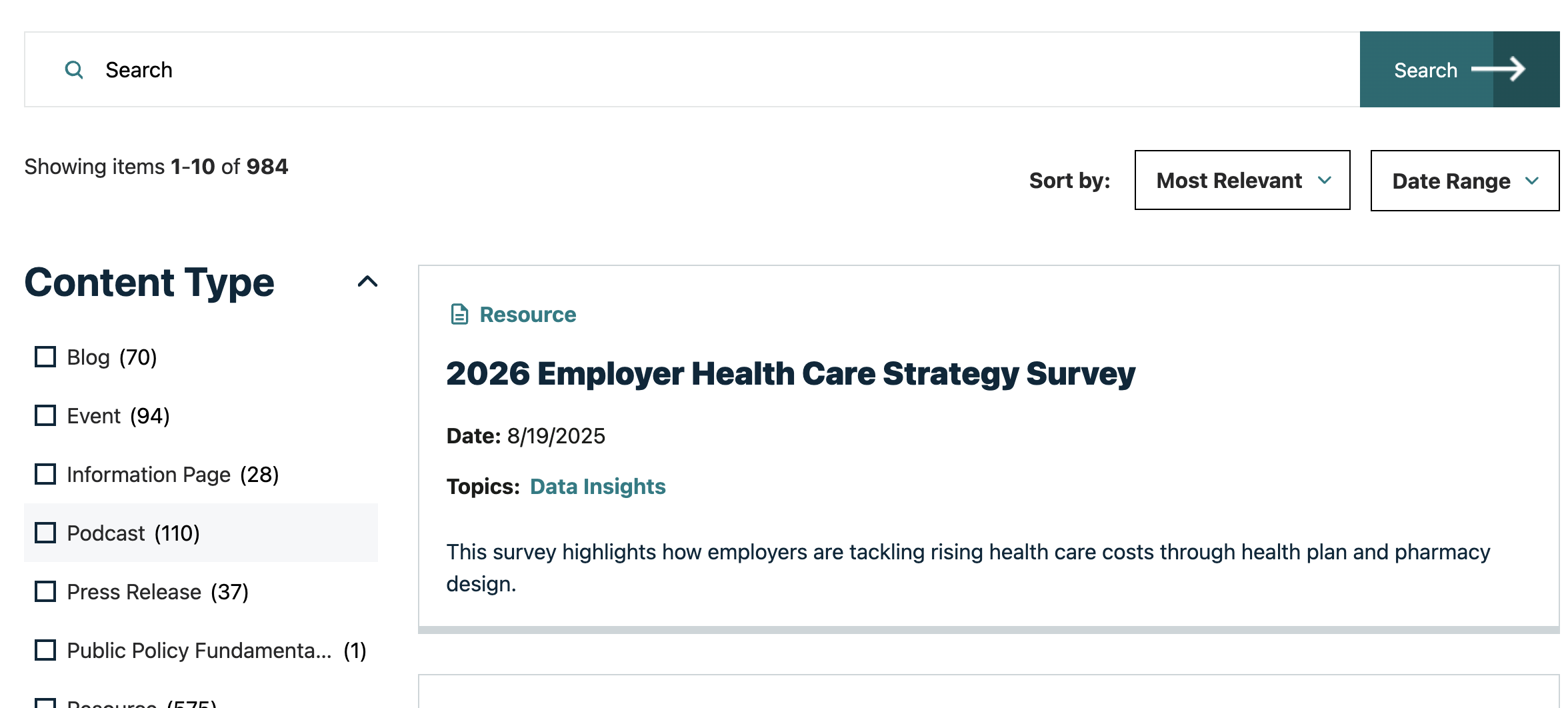
Business Group Health | Search
During my time at Velir, I was assigned a project with Business Group on Health to update their search page. They chose to use Coveo's Atomic library, a tool I hadn't worked with before. Given my experience in agencies, adapting to new technologies quickly has become second nature. Through research and experimentation, I successfully built a new search page utilizing Coveo's AI search capabilities, filters, and queries. This project provided valuable experience working with Coveo, despite some interesting challenges along the way.
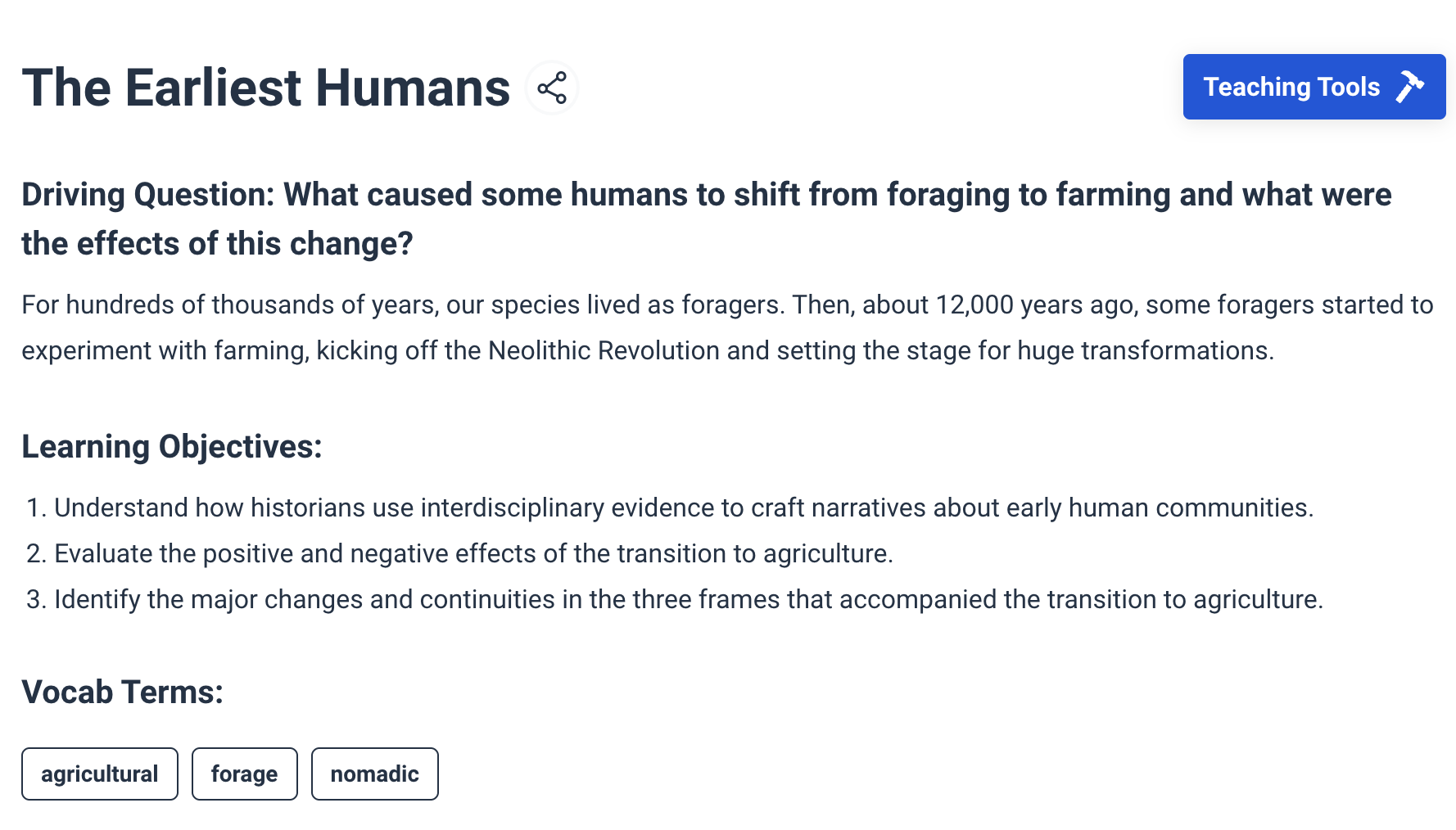
OER | Lesson Pages
During my time at Velir, I worked extensively on the OER project, including a major redesign of the lesson pages. The lesson pages contained a wealth of learning content alongside dynamic components, all of which needed to stay in perfect alignment. These components were interchangeable and reusable, including an image carousel with zoom functionality, a video viewer, and "material items" that linked to articles and other content. One standout feature was the left navigation, which allowed users to scroll directly to specific sections for easy navigation. Collaborating with back-end developers ensured seamless functionality across the site, resulting in a smooth, top-notch user experience.
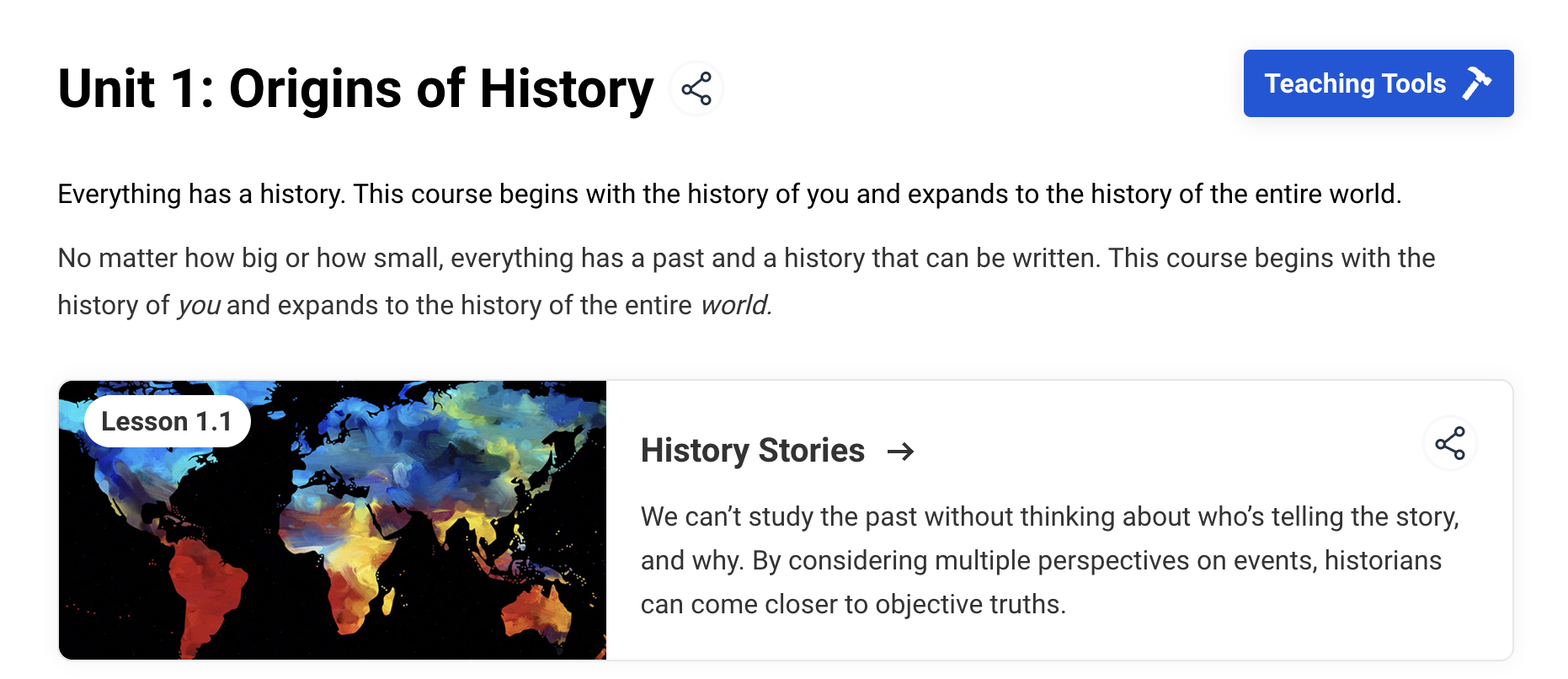
OER | Unit Pages
During my time at Velir, I worked extensively on the OER project, including a major redesign of the unit pages. Thanks to the reusability of components from other pages I built, the process was efficient and seamless—there's nothing quite like the beauty of reusable components! Additionally, I reworked the left navigation to meet the client's specific requirements, ensuring it aligned with their vision while maintaining a smooth user experience.
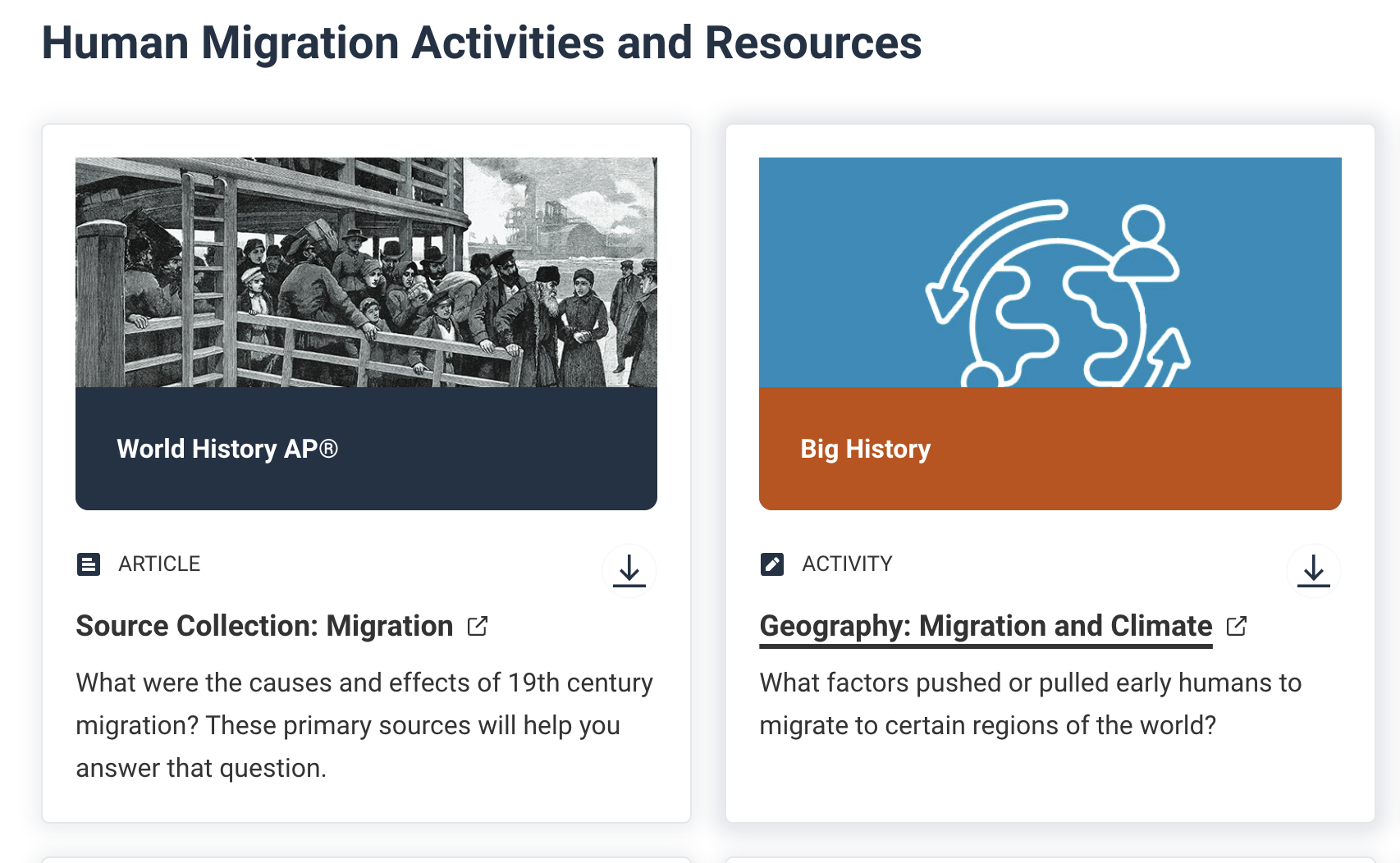
OER | Topic Pages | Topic Lesson List
During my time at Velir, I worked extensively on the OER project, including a major redesign of the topic pages. One of the key components I developed was the “Topic Lesson List” section, designed to be reusable across the site. This component featured cool hover states for the image, text, and background color, adding a dynamic touch. A challenge arose when trying to maintain the same breakpoints used throughout the site—while I initially aimed for consistency, I had to implement a different breakpoint for this component to prevent awkward image and text behavior around the tablet size. Ensuring the component looked great on all devices ultimately took priority over strict breakpoint uniformity.
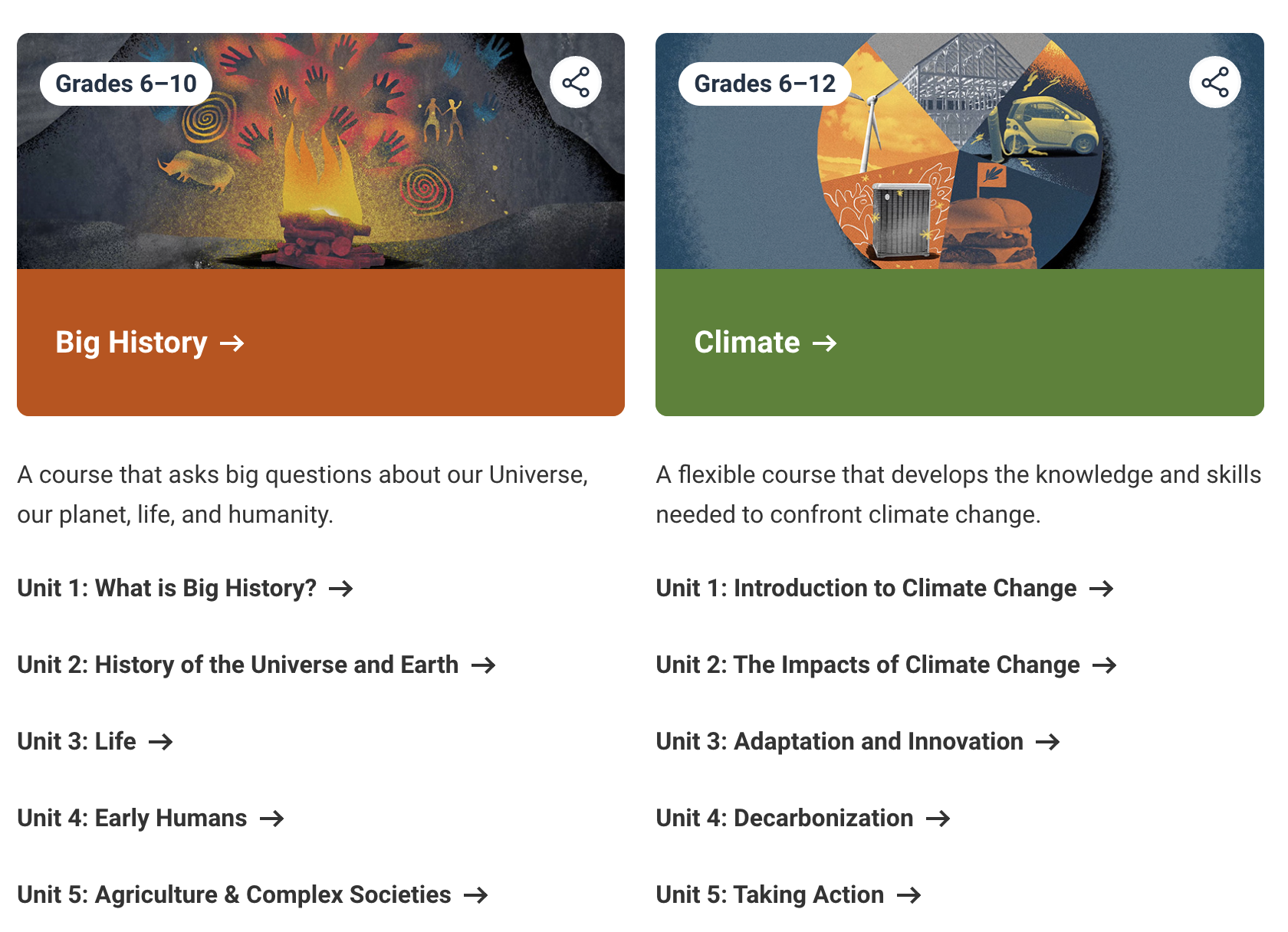
OER | Course Page
During my time at Velir, I worked extensively on the OER project, including a major redesign of the courses page. The new design called for a grid layout, and while I was more experienced with Flexbox, I took this as an opportunity to expand my skills with CSS Grid. This project helped me understand when to use Grid versus Flexbox, and I also explored new CSS techniques, such as text-underline-offset and text-decoration-thickness, to enhance the visual design. I’m particularly proud of the subtle hover animations I implemented for the links—check them out for a seamless user experience!
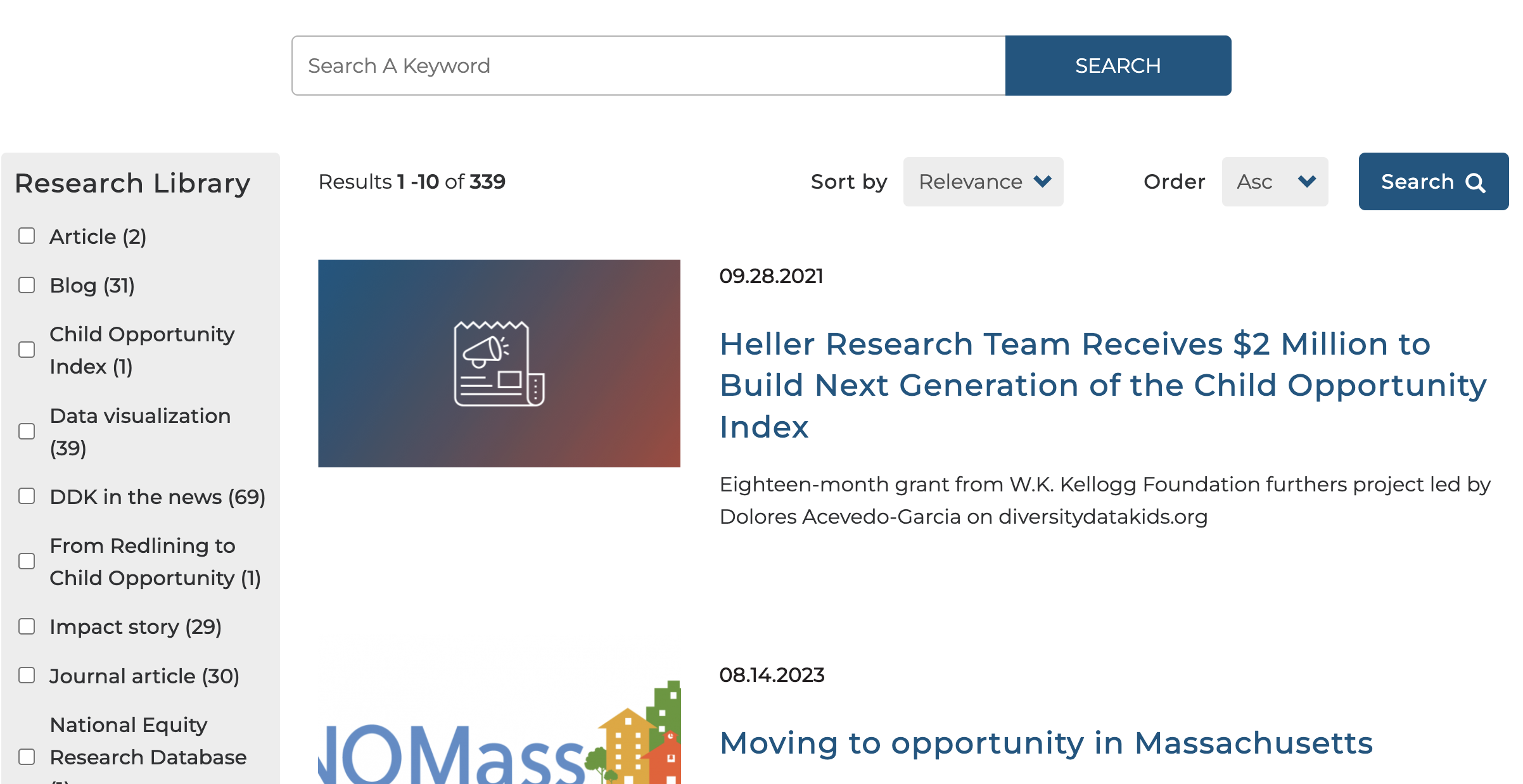
Diversity Data Kids | Search
In addition to the homepage redesign, I worked on improving the search page to enhance user experience and streamline functionality. We followed industry best practices to reorganize the placement of filters and sorting options, ensuring that users could easily navigate and refine their searches. Special attention was given to the mobile experience, making filters more accessible, intuitive, and user-friendly. While the design follows familiar patterns seen on many search pages, this familiarity aligns with user expectations, providing a seamless and efficient experience.
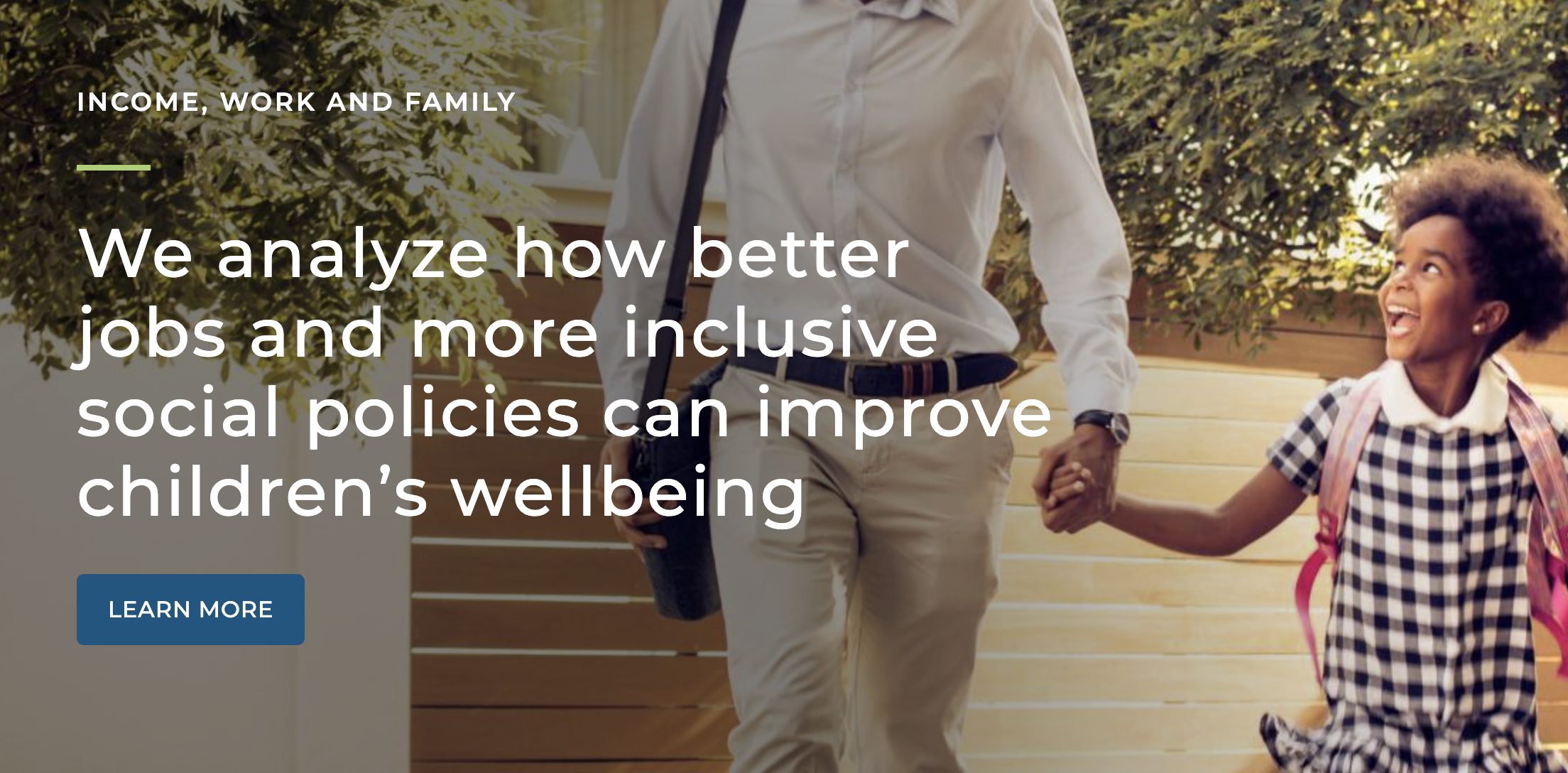
Diversity Data Kids | Homepage Update
During my time at Velir, I was tasked with revamping the homepage to align with new design standards. This included reworking key elements such as the menu, footer, and various homepage components. I took a proactive approach to accessibility, focusing on improving navigation for keyboard users. For example, I ensured proper interaction with the menu and footer, and suggested implementing a pause button for the carousel to meet WCAG 2.2.2 guidelines (Pause, Stop, Hide). Additionally, I refined my estimation skills, following Velir’s project management practices to deliver work efficiently and on schedule.
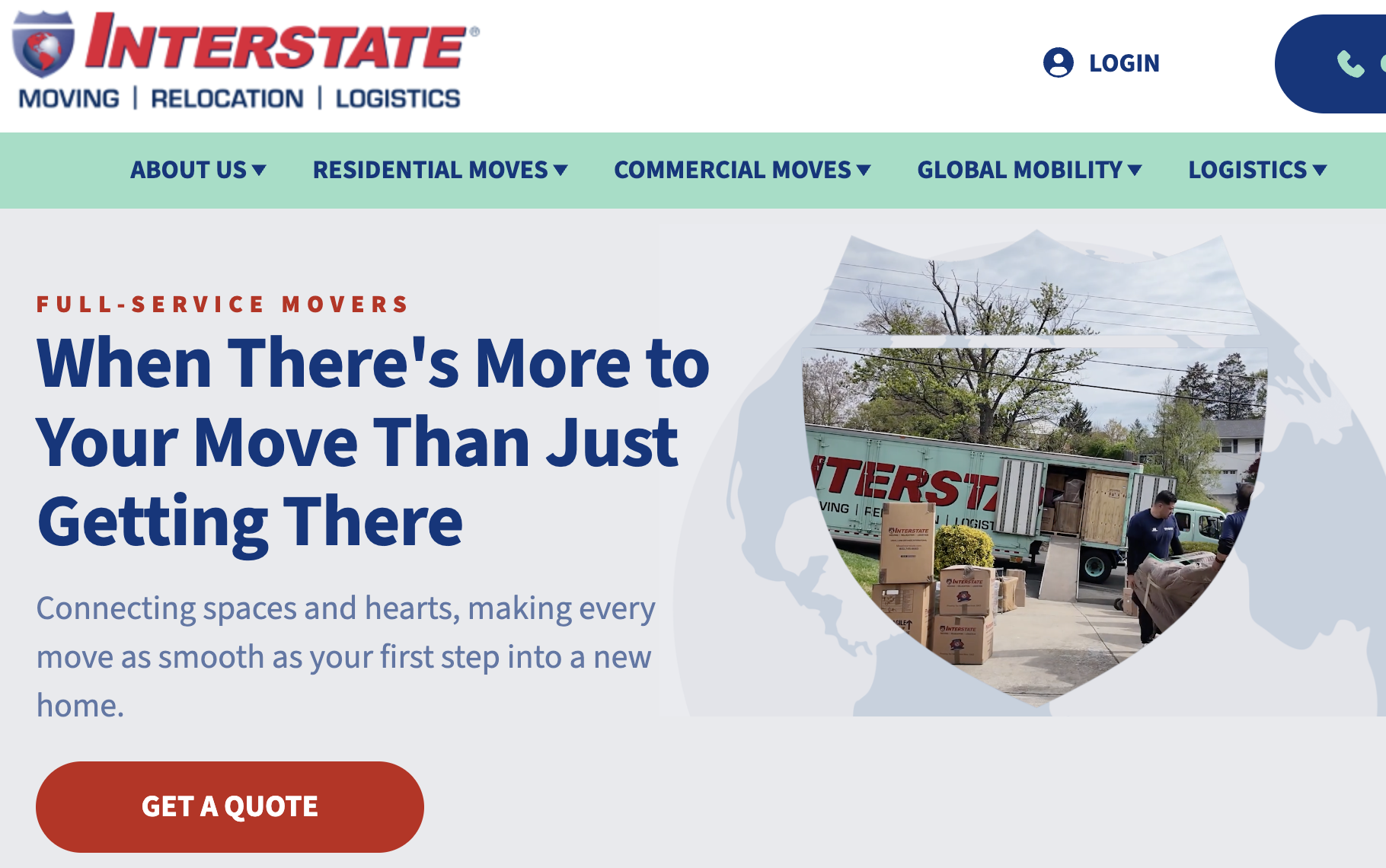
MoveInterstate
The most challenging part of this project was the multi-step form. Mainly, ensuring that what was completed is what the client wanted. Sometimes the client has trouble communicating exactly what they need. It was a great learning experience on communicating with clients. Not to mention the design of this website was great and fun to build!

Veritas Farms
Working with Gutenberg on this project was a blast. I made a lot of custom sections that are re-usable throughout the site. I also helped run their campaigns through Klaviyo.
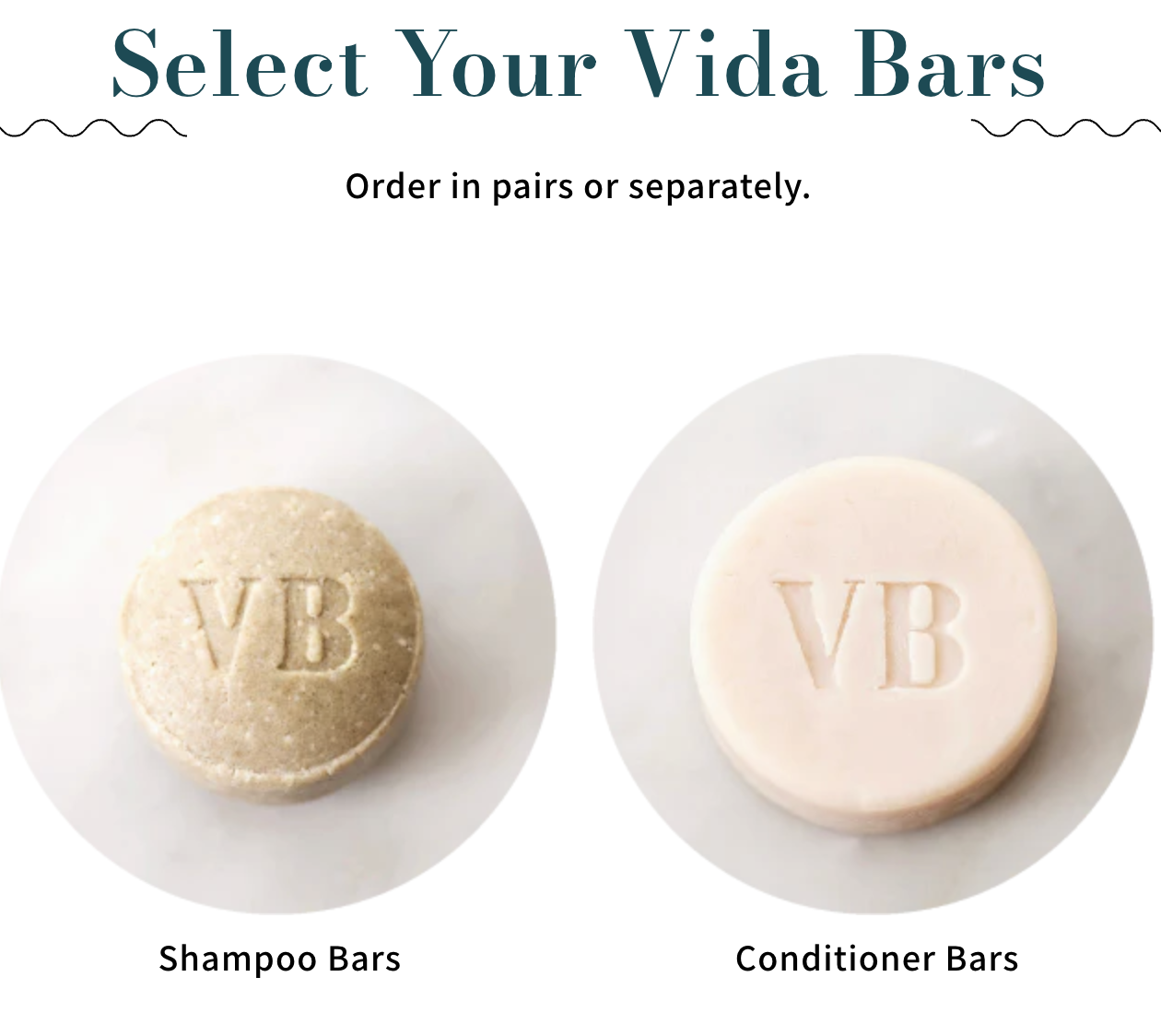
VidaBars
This project was a new experience for me, as it involved building an e-commerce site using Shopify on the backend to simplify store management for the client. For the frontend, we used WPShopify to seamlessly connect their Shopify store with their WordPress site, then built out the front-end using a page builder. The integration allowed for a smooth, user-friendly experience while giving the client full control over their store
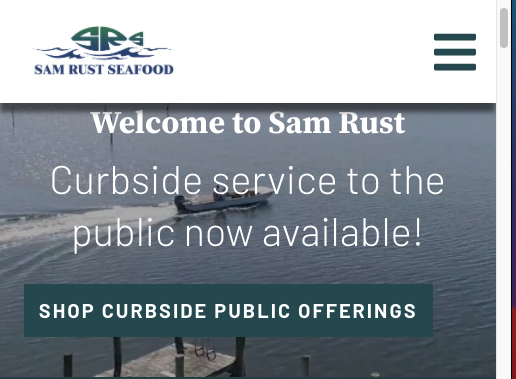
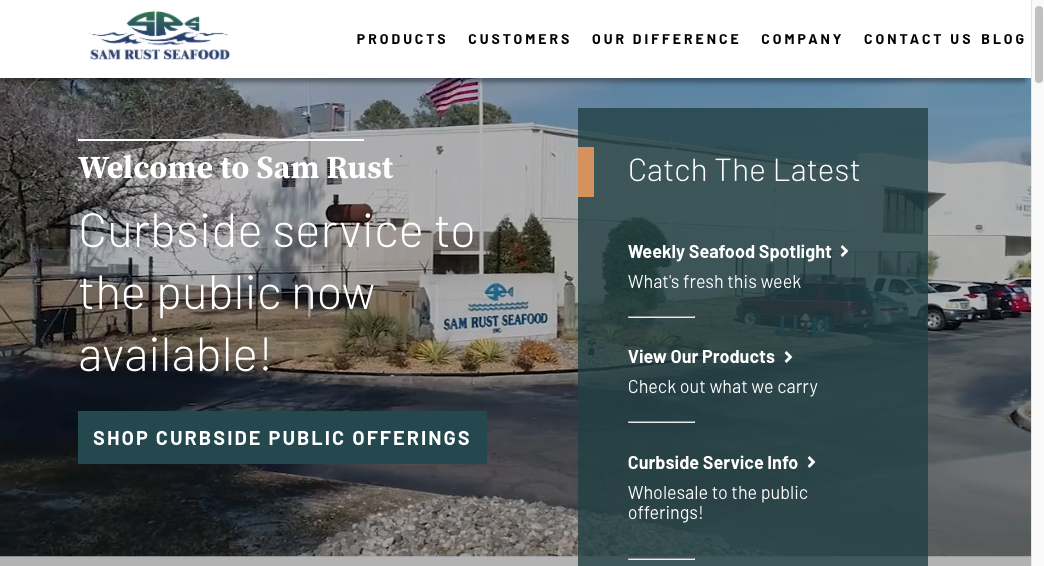
SamRust Seafood
I had the pleasure of working with an incredibly talented designer on this project, whose beautiful design really set the stage for success. The design posed a unique challenge due to several overlapping elements, but it pushed me to think critically about how to implement each section in a way that would not only honor the design but also make it fully customizable for the client post-handoff. Balancing aesthetics with functionality was key, and in the end, the project turned out great—it even won an award!

Granite Outlet
I love this site for its very simple color scheme that somehow relates to their industry. This site was made with WordPress, using SCSS. Although a lot has changed about it since it was handed to the client, its beautiful to me. My favorite thing about this site is the homepage on mobile. We needed a way to have imagery with text over it but I added my own animations. While the user scrolls down over the section with imagery from a particular category, additional text slides in. I love tinkering with JavaScript and CSS to create cool animations.
Women’s Bean Project
This website is one of the most customizable sites I have been a part of. It came with a lot of collaboration with another amazing developer and designer. The other developer had an extensive task of creating the eCommerce side of this site using WooCommerce. The designer made beautiful mockups that I had the honor of creating. All content on the site, from copy to images can be updated by the client/author with minimal amount of WordPress plugins. This was a great learning experience from start to finish and I was glad to be a part of it!
My skills
Over the past 10+ years as a front-end developer, I’ve worked across agency and product-focused environments building accessible, responsive, and user-focused web experiences. My primary focus today is React, Next.js, JavaScript, TypeScript, and modern CSS workflows including Sass and Tailwind CSS.
Throughout my career I’ve worked with a variety of frameworks, CMS platforms, and tooling including WordPress, Sitecore, Storybook, Node.js, and Gulp. I especially enjoy building reusable components, improving accessibility, and creating polished user experiences through thoughtful UI development and subtle interactions.
Most of my learning has come from building real-world projects, experimenting with new technologies, and continuously refining how I approach front-end architecture, accessibility, and performance.
CSS/SASS/LESS/Tailwind
JavaScript (ES6+)
React.js
API
Next.js
W3C Standards/A11y
TypeScript
Vue.js
Experience
Velir | Senior Front End Developer
- Led front-end development across multiple client projects as the primary Front-End Developer.
- Built scalable and accessible applications using React.js, Next.js, JavaScript, TypeScript, and modern CSS workflows.
- Collaborated with Back-End, Sitecore, AEM, and Drupal teams to integrate reusable UI components with APIs and CMS-driven content.
- Modernized legacy React applications by transitioning class-based architecture to function-based React with hooks.
- Worked closely with clients and designers to develop responsive, user-focused interfaces and reusable component systems.
- Improved application performance through SCSS audits, code cleanup, and front-end optimization efforts.
- Ensured components aligned with W3C and accessibility best practices, including semantic HTML, keyboard navigation, and screen reader support.
Mindsize | Front End Developer
- Led front-end development initiatives by collaborating with project managers to coordinate timelines, priorities, and feature delivery.
- Developed and deployed enhancements for WooCommerce and Shopify platforms to improve functionality, usability, and customer experience.
- Implemented rapid feature updates and bug fixes while maintaining project stability and delivery timelines.
- Created technical documentation and onboarding resources to support long-term project maintainability and future developers.
- Introduced GitHub workflows and development processes to improve collaboration, organization, and code quality across projects.
- Contributed to building a dynamic web platform using Vue.js, Laravel, and Inertia.js.
Silverback Strategies | Senior Web Developer
- Represented the development team in direct client communication, addressing technical questions, feedback, and project requirements.
- Collaborated closely with designers, content managers, and SEO specialists to build custom WordPress websites from concept to launch.
- Developed responsive websites from PSD and Sketch designs while contributing additional UI and interaction enhancements.
- Worked across multiple CMS platforms to create flexible, user-friendly editing experiences for non-technical content teams.
- Managed ongoing site maintenance including performance optimization, platform updates, and routine QA testing.
- Built interactive landing pages using the WordPress API and React.js to improve engagement and user experience.
- Conducted in-depth UX audits and contributed to the development of an award-winning website.
Barkly Pets | Front End Web Developer
- Spearheaded the revamp of Barkly Pets’ web properties to modernize the brand’s digital experience.
- Led the migration of the company website to WordPress and trained team members on content management workflows.
- Optimized the site for SEO, contributing to a 150% increase in organic traffic within 4 months.
- Improved internal processes related to SEO strategy and content creation workflows.
- Collaborated with content creators and designers to redesign and launch new website pages.
- Enhanced user engagement through interactive animations, scroll effects, and conversion-focused UI elements.
- Contributed to the design process using Adobe Illustrator to support the Graphic Design team.
TrueChoice Solutions | Interactive Developer
- Maintained and supported front-end codebases using HTML5, CSS, LESS, and JavaScript.
- Diagnosed and resolved front-end bugs across HTML, CSS, JavaScript, and jQuery implementations.
- Communicated directly with clients to define project requirements, timelines, and development priorities.
- Developed reusable dynamic templates to streamline client application development.
- Enhanced user experience by modernizing legacy templates with CSS3 animations and interactive UI improvements.
- Built new functionality using HTML5, CSS3, JavaScript, LESS, Angular, and jQuery.
- Utilized Gulp workflows to optimize asset compilation and improve development efficiency.
- Performed quality assurance testing across multiple server environments and browsers.
- Conducted security-focused QA testing, including validation against common XSS vulnerabilities.
- Improved release organization processes to support more efficient and reliable client deployments.
- Created standardized HTML email templates for client communications and marketing initiatives.
Front-end Developer Intern
- Developed web apps and gained foundational knowledge of HTML, CSS, JavaScript, jQuery, and Angular.js.
Frontend Development Course
- Completed an intensive frontend development course covering HTML, CSS, and JavaScript fundamentals.
- Built a portfolio project and graduated at the top of the class.
Daniel Webster College
- Bachelor's Degree in Psychology.
- President of the Psychology Club.
- Captain of the Women's Basketball Team.